
Discover Tranquility at San Antonio's Historic Japanese Tea Garden |
A century-old oasis of peace and beauty nestled in the heart of Brackenridge Park |
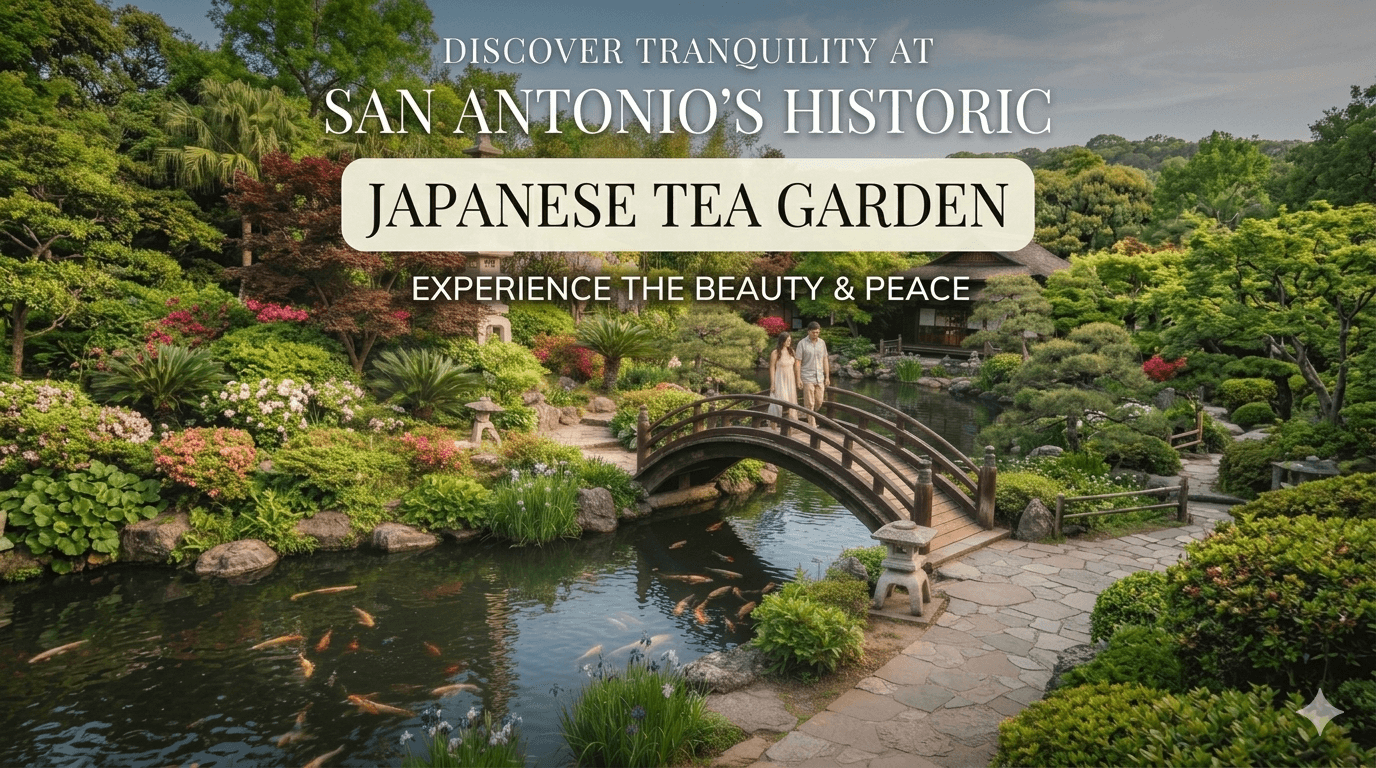
There's a hidden gem in San Antonio that locals have cherished for over a century. Tucked away in Brackenridge Park, the Japanese Tea Garden offers visitors a peaceful escape from the hustle and bustle of city life. This stunning attraction isn't just a beautiful spot for photos—it's a living piece of history that tells the story of San Antonio's cultural evolution. A Garden Born from InnovationThe story of the Japanese Tea Garden begins in 1917. What started as a quarry for the city's cement needs was transformed into something extraordinary for the Alamo Heights Exposition. City leaders saw potential in the abandoned limestone pit and commissioned renowned architect George L. Dahl to design a space that would capture the imagination of visitors. The result was a Japanese-style garden that reflected the early 20th-century fascination with Asian aesthetics. The garden featured traditional elements like a pagoda, stone lanterns, and a moon gate that transported visitors to another world without ever leaving Texas. Why This Garden Matters to San AntonioThe Japanese Tea Garden represents more than just beautiful landscaping. It's a testament to San Antonio's ability to embrace diverse cultures and create spaces that honor traditions from around the world. In 2010, the garden earned its place on the National Register of Historic Places, cementing its status as a cultural landmark worth preserving. For locals, the garden serves as a reminder of our city's rich history and the vision of early San Antonians who believed in creating beauty from unexpected places. What was once an industrial quarry is now one of the most photographed locations in the city. What You'll Find When You VisitWalking through the garden's entrance, you're immediately greeted by the sound of trickling water and the sight of vibrant greenery. The centerpiece of the garden is the stunning Koi Pond, home to hundreds of colorful fish that glide gracefully through the crystal-clear water. Visitors often spend hours watching these beautiful creatures, finding a sense of calm that's hard to come by in our busy lives. |

The garden's architecture tells its own story. Traditional Japanese design elements create a sense of harmony between nature and human craftsmanship. Stone pathways wind through carefully manicured plants, leading visitors past cherry blossoms in spring, azaleas in full bloom, and Japanese maples that paint the landscape in brilliant reds and oranges each fall. Several bridges cross gentle streams, each offering a new perspective on the garden's beauty. The iconic stone archways and pagoda structures provide perfect photo opportunities while maintaining the authentic atmosphere that makes this place special. A Living Sanctuary for WildlifeBeyond its cultural significance, the Japanese Tea Garden serves as a sanctuary for local wildlife. Various bird species make their homes among the garden's trees and shrubs, adding their songs to the peaceful atmosphere. The carefully selected plant species create a habitat that supports butterflies, bees, and other pollinators essential to our local ecosystem. The Koi Pond isn't just for show—it's a thriving aquatic ecosystem. These ornamental fish, some decades old, have become beloved residents of the garden. Visitors often bring quarters to purchase fish food from dispensers near the pond, creating moments of connection between humans and nature. Cultural Events and Community ConnectionThroughout the year, the Japanese Tea Garden hosts events that celebrate Japanese culture and bring the community together. Traditional tea ceremonies offer visitors authentic experiences of this ancient practice. Japanese festivals fill the garden with music, food, and cultural demonstrations that educate and entertain. These events serve an important purpose beyond entertainment. They help preserve cultural traditions and introduce new generations to the beauty of Japanese customs. For many San Antonio families, attending these events has become a beloved tradition passed down through generations. Planning Your VisitThe Japanese Tea Garden is open to the public and free to visit, making it an accessible destination for everyone in our community. Located at 3853 N St Mary's St, it's easily accessible from anywhere in the city. Parking is available nearby, though it can fill up quickly on weekends and during special events. Early mornings offer the most peaceful experience, with fewer crowds and soft light perfect for photography. Spring brings cherry blossoms that create a magical atmosphere, while fall offers spectacular colors from the Japanese maples. Even winter visits have their charm, with the garden's structure and architecture taking center stage when the foliage thins. For the best experience, wear comfortable walking shoes and bring a camera. The garden rewards those who take their time, exploring every pathway and discovering hidden corners. Many visitors bring books or sketchpads, finding inspiration in the serene surroundings. A Treasure Worth ProtectingThe Japanese Tea Garden stands as one of San Antonio's most unique attractions. It represents our city's ability to transform industrial spaces into places of beauty, honor cultural traditions from around the world, and create community gathering spaces that serve multiple generations. For locals who haven't visited recently, or for those who've never experienced this hidden oasis, now is the perfect time to discover—or rediscover—this Brackenridge Park treasure. In a world that often feels chaotic and fast-paced, the Japanese Tea Garden offers something increasingly rare: a place to slow down, breathe deeply, and find peace in nature's beauty. Whether you're seeking a quiet spot for reflection, a beautiful backdrop for family photos, or simply a break from the daily grind, the Japanese Tea Garden delivers. It's not just a garden—it's a reminder of what makes San Antonio special and why we're lucky to call this city home. |
0 Comments
Join the conversation
Be the first to comment
Share your thoughts above.